
01/07/26
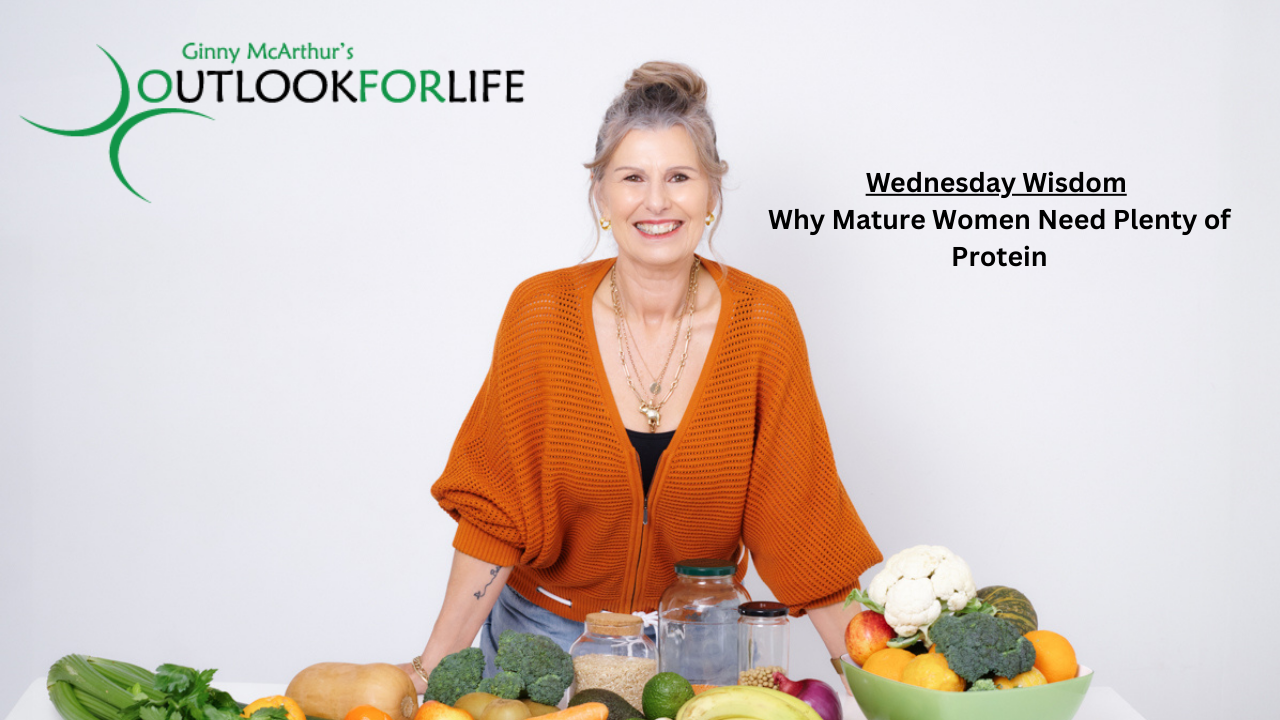
#235 Why mature Women Need Plenty of Protein
Absolutely.
Why Mature Women Need Plenty of Protein (Without Obsessing)
Hey, I’m Ginny McArthur — nutritionist, fitness trainer, and life coach — and I’m obsessed with helping women, especially midlife+ women, lose weight and live full, energetic, rewarding lives… with a touch of badassery.
Last week on the podcast, I shared a very human moment — me bingeing on protein bars. That conversation sparked a lot of questions, particularly around how much protein women actually need as we get older.
So let’s talk about it properly.
As a mature woman, should you be concerned about eating enough protein?
The short answer is yes — but don’t become obsessed.
Protein Is Trendy — But It’s Also Foundational
Protein is everywhere right now. Protein bars. Protein powders. Protein claims on everything from yoghurt to chocolate.
But protein isn’t just a trend — it’s a structural nutrient. Around 16–20% of the human body is made of protein, and it plays a role in almost every system in your body, including:
-
Skeletal muscle
-
Organs (heart, liver, kidneys, gut)
-
Skin, hair, nails, and even tears
-
Enzymes and hormones
-
Immune proteins (antibodies)
-
Transport proteins like haemoglobin
-
DNA and RNA
Protein isn’t just about muscles or weight loss — it’s about how your body functions, repairs, and ages.
Signs You May Not Be Eating Enough Protein
Many women believe they’re eating “healthy” but are still under-fuelled, especially with protein.
You might not be eating enough protein if:
-
You’re overweight and feel out of condition
-
Your appetite feels dysregulated or out of control
-
Your metabolism feels painfully slow
-
You feel like you only have to look at cake to gain weight
-
Your hair, skin, or nails are ageing faster than you’d like
-
Injuries and wounds take longer to heal
-
You feel constantly fatigued or flat
I’ve been there myself. I used to avoid protein, live on salad, and then wonder why I couldn’t lose weight — or why I couldn’t keep it off when I did.
How Much Protein Do Mature Women Need?
For most women, a good evidence-based range is:
-
1.2–1.6g of protein per kg of body weight per day
-
Spread across 3–4 meals, aiming for around 30g per meal
As we age, protein needs increase, not decrease.
For older women, up to 1.8g per kg can be appropriate, especially if strength training, losing weight, or recovering from injury.
Key points:
-
Yes, protein should be spread across the day
-
Breakfast and dinner are especially important
-
More is not always better — consistently exceeding ~2g per kg isn’t necessary for health or longevity
Will Protein Help With Weight Loss?
Yes — and not because it’s magic.
Protein:
-
Is thermogenic (it burns more calories to digest)
-
Helps regulate appetite
-
Supports blood sugar and insulin control
-
Protects muscle during weight loss
And this matters because muscle is the currency of longevity.
The more muscle you have, the more calories you burn at rest.
We naturally lose muscle as we age — so we have to actively fight to keep it.
Protein, Hormones, and Midlife Metabolism
Protein plays a crucial role in:
-
Blood sugar regulation
-
Insulin sensitivity
-
Fat loss
-
Supporting metabolic health during oestrogen decline
This is why “just eating less” stops working for so many women after midlife.
Animal vs Plant Protein — What’s Best?
Protein comes from anything that swims, flies, eats grass, or grows from the ground.
Animal sources include:
-
Meat, chicken, fish
-
Eggs and dairy
Plant sources include:
-
Beans and lentils
-
Soy foods (tofu, tempeh, edamame)
-
Nuts and seeds
-
Vegetables
I often encourage women to increase plant protein because it also delivers:
-
Fibre
-
Phytonutrients
-
Anti-inflammatory benefits
This supports hormone health and reduces the risk of heart disease and certain cancers.
Simple swaps like adding beans to mince or having two meat-free meals per week can make a big difference.
Do You Need Protein Powder?
Not necessarily — but it can be helpful.
If you do use one, I generally prefer plant-based protein powders for women, particularly during menopause, as some women experience bloating or symptom flare-ups with dairy-based options.
How to Build Protein Into Your Day (Simply)
Don’t overthink it. Start by planning meals around protein first.
Think palm-sized portions:
Breakfast
-
Protein yoghurt
-
Tofu or eggs
-
Protein powder if needed
Lunch
-
Leftover tofu, beans, tempeh
-
Chicken, fish, meat, or eggs
Snack
-
Soy yoghurt with fruit
-
Edamame
-
Nuts or hummus
Dinner
-
~150g chicken, lean meat, fish or tofu or tempeh
-
1 cup beans or legumes
-
About ¼ of your plate protein, the rest fibrous vegetables
A Final Word: Eat Food, Not Numbers
Unless you’re an athlete, you do not need to obsessively count macros.
Eat food. Eat enough protein. Eat plenty of fibre.
Support muscle. Support hormones. Support longevity.
Want Support?
If you’re a mature woman who wants help with nutrition, movement, and mindset, I’d love to support you.
-
I have a free protein guide (link below)
email me at [email protected] for a copy -
I’m running a Weight Loss Workshop on 28 January — a great place to ask your questions
-
My 12-week program starts on 2nd February, where we build your food plan together
Thank you so much for reading (and listening).
Please share this if it helps, and feel free to comment or message me — I love hearing from you.
As always, have a happy, healthy week. 💚
Ginny x