
05/27/26
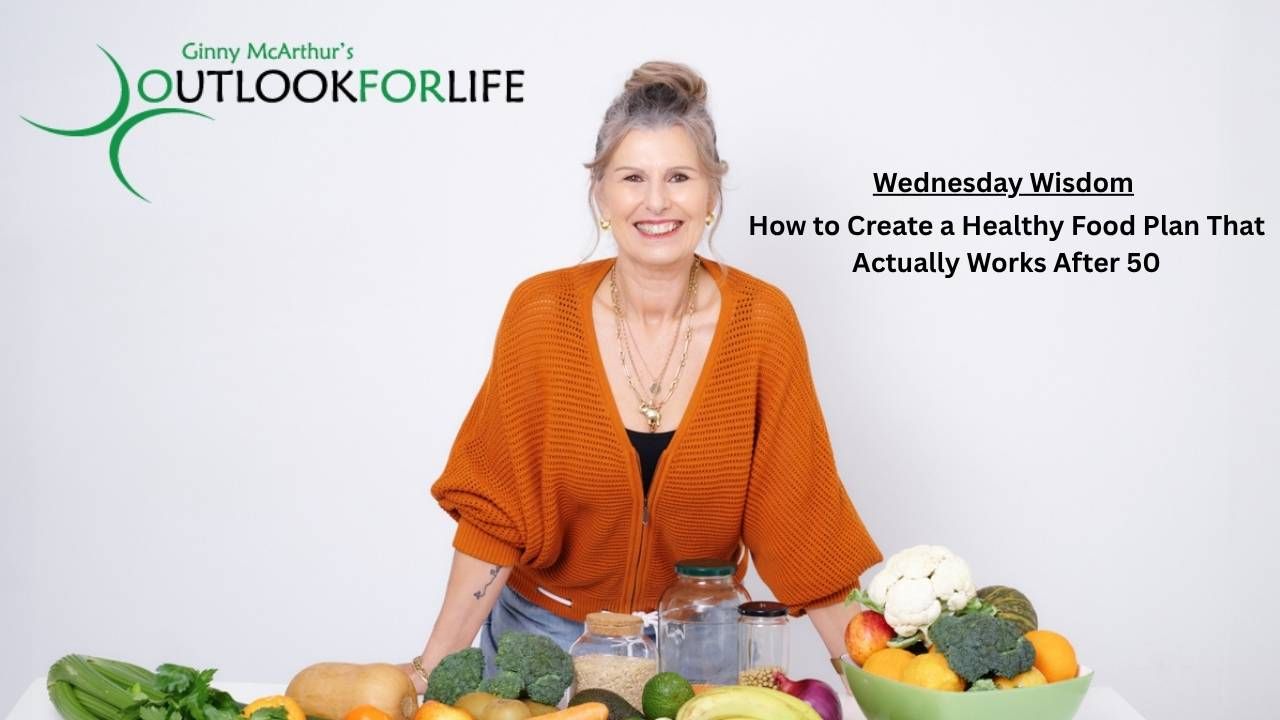
#239 How to Create a Healthy Food Plan for Weight Loss & Healthy Aging
How to Create a Food Plan That Actually Works
One of the questions I get asked all the time is:
“How do I create a healthy food plan?”
And honestly, I understand why people feel confused.
Nutrition has become incredibly noisy.
Everywhere you look, someone is telling you to cut carbs, eat more protein, avoid fruit, fast longer, eat keto, avoid seed oils, count calories, count macros, or buy another supplement.
No wonder so many women feel overwhelmed and stuck.
A Food Plan Is NOT a Diet
The first thing I want women to understand is this:
A food plan is not a punishment.
It is not a crash diet.
It’s not about starving yourself for 12 weeks and then going back to old habits.
A proper food plan is really a way of eating — a way of nourishing your body that supports your goals and your lifestyle long term.
For many women I work with, the goals are usually:
- Fat loss
- More energy
- Better health markers
- Lower inflammation
- Reduced cholesterol
- Improved blood sugar control
- Healthy aging and longevity
And the way you eat should support all of those things.
Why Nutrition Feels So Confusing
If you feel confused about what to eat, you are not alone.
There is an overwhelming amount of nutrition information online now, and much of it completely contradicts itself.
The truth is there is no single perfect diet for everybody.
Part of creating a successful food plan is learning what works best for YOU.
That takes:
- Awareness
- Experimentation
- Consistency
- Planning
What I Used to Believe About Weight Loss
Years ago, I thought it was mostly about:
- Calories in vs calories out
- Macros
- Low-fat foods
- Eating every few hours
- Choosing “diet” products
And while calories and protein do matter, I now believe they are only part of the picture.
Because many of those so-called “diet foods” are highly processed and leave people hungry, unsatisfied, and constantly thinking about food.
What Actually Matters More
What matters far more for most people is increasing the amount of whole foods in the diet.
Instead of constantly focusing on what you cannot eat, start focusing on what you can add.
For most women, that means:
- More vegetables
- More fruit
- More beans and legumes
- More whole grains
- More nuts and seeds
- More fibre-rich foods
Whole foods provide:
- Fibre
- Fullness
- Nutrients
- Stable energy
- Better gut health
- Better blood sugar control
And importantly, they make eating enjoyable again.
Under-Eating Can Backfire
One of the biggest mistakes I made myself for years was under-eating while relying heavily on processed “diet foods.”
I was constantly hungry.
Constantly thinking about food.
And constantly chasing control.
Many women are trying to survive on rice crackers, protein bars, low-calorie snacks, and coffee while wondering why they feel exhausted and out of control around food later in the day.
Your body needs nourishment.
Not punishment.
Planning Matters
One thing that absolutely does matter is planning.
Healthy eating rarely happens by accident.
When you have healthy food available and prepared, you are far more likely to stay consistent.
That doesn’t mean perfection.
It means creating systems that support your goals.
Simple meals.
Simple shopping.
Simple preparation.
Consistency beats perfection every time.
Final Thoughts
The best food plan is not the trendiest one.
It’s the one you can realistically maintain while feeling healthy, energetic, satisfied, and happy.
Focus less on restriction.
Focus more on nourishment.
Add more whole foods.
Eat with intention.
Plan ahead.
And stop trying to punish your body into health.
Because healthy aging isn’t built on deprivation.
It’s built on consistency, nourishment, movement, and self-respect.
Have a happy, healthy week.
Ginny x