
06/17/26
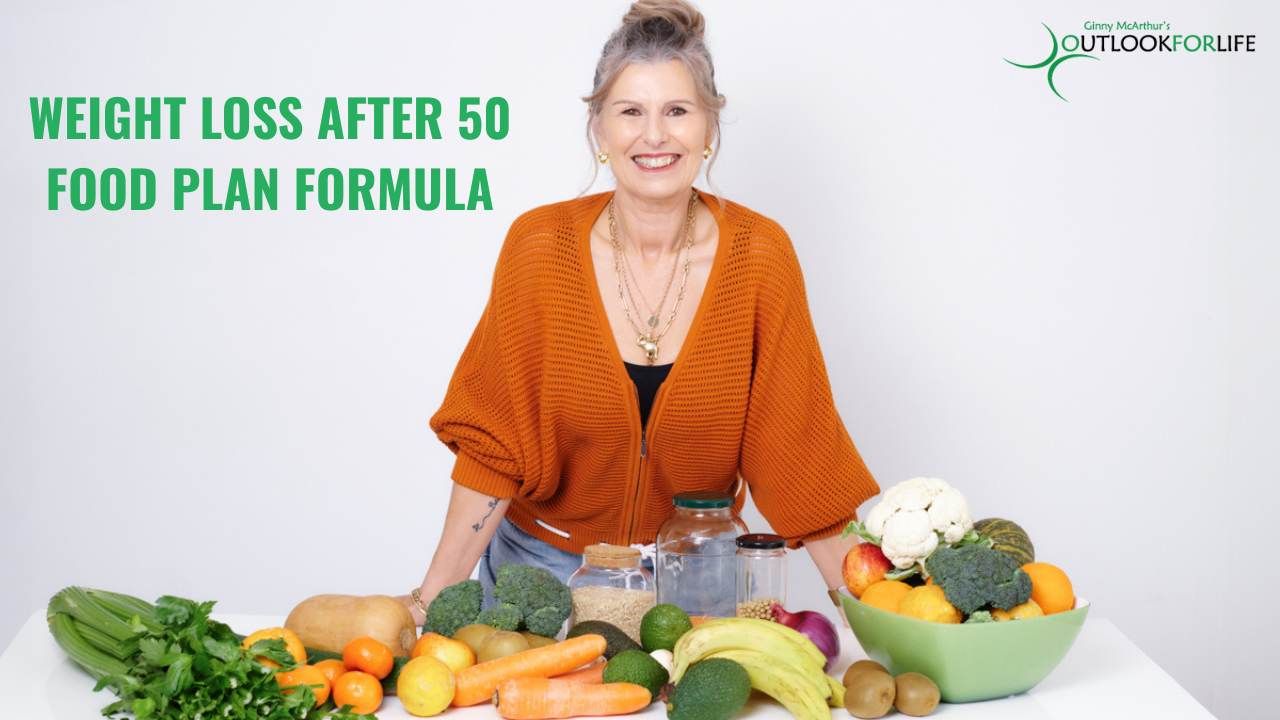
How to Create a Weight Loss Food Plan That Actually Works After 50 | Outlook for Life Blog #240
If you've ever found yourself starting a new diet on Monday only to be back to old habits by Friday, you're not alone.
As a nutritionist working primarily with women over 50, I've seen this happen countless times. The problem is rarely a lack of motivation or willpower. More often than not, the issue is that the food plan doesn't fit the reality of a woman's life.
Prefer to listen? Click Here
Many diets are written for an imaginary world where life runs smoothly, stress doesn't exist, injuries never happen, and every meal is perfectly planned. Real life is different.
This week, I found myself reflecting on that very lesson. Following recent eye surgery and with hip replacement surgery only a few weeks away, my own lifestyle has changed significantly. My training has reduced, my priorities have shifted, and my nutrition needs have changed.
It reminded me of something I teach my clients all the time:
The best food plan isn't the most perfect one. It's the one that supports you through the season of life you're currently in.
Why Most Weight Loss Diets Fail After 50
As we move through menopause and beyond, our bodies change.
Hormones change.
Muscle mass naturally declines unless we actively work to maintain it.
Recovery takes longer.
Sleep can become more challenging.
Stress often increases as we juggle work, ageing parents, partners, grandchildren, health concerns, and countless other responsibilities.
Yet many women continue trying to follow food plans designed for someone else's lifestyle.
The result?
They feel like they've failed.
In reality, the plan failed them.
A successful weight loss food plan needs to be flexible enough to adapt as your life changes.
The Different Seasons of Life
One of the biggest mistakes I see is women trying to eat the same way regardless of what is happening in their lives.
There are times when fat loss is the priority.
There are times when maintaining weight is enough.
There are times when recovery and healing should take centre stage.
For example:
Fat Loss Season
You may choose a more structured approach with a modest calorie deficit, plenty of protein, high-fibre foods, and a focus on consistency.
Recovery Season
Following surgery, illness, injury, or periods of high stress, your body may need more energy, more protein, more nutrients, and more focus on healing than weight loss.
Maintenance Season
Sometimes the goal is simply to maintain your weight, enjoy life, and continue supporting your long-term health.
The key is recognising which season you're in and adjusting accordingly.
Enjoying this article?
The Outlook for Life Podcast releases a new episode every Wednesday covering:
- Weight loss after 50
- Menopause nutrition
- Healthy ageing
- Strength training
- Food planning
How to Create a Food Plan That Actually Works
When working with clients, I use a simple framework that helps create a personalised food plan without turning eating into another full-time job.
Step 1: Identify Your Main Goal
Ask yourself:
What is my biggest priority right now?
It might be:
-
Weight loss
-
Reducing body fat
-
Lowering cholesterol
-
Improving blood pressure
-
Increasing energy
-
Improving gut health
-
Recovering from illness or surgery
Choose one primary goal.
Trying to focus on everything at once often leads to overwhelm.
Step 2: Establish Your Non-Negotiables
These are the daily habits that support your goal.
Examples might include:
-
Eating vegetables at lunch and dinner
-
Including protein at every meal
-
Drinking enough water
-
Walking daily
-
Finishing eating earlier in the evening
-
Preparing meals ahead of time
Keep it simple.
Three to five non-negotiables is usually enough.
Step 3: Design Around Your Real Life
This is where many plans fall apart.
Ask yourself:
-
What time do I realistically eat breakfast?
-
How much time do I have to prepare meals?
-
Do I work full time?
-
Do I travel?
-
Am I caring for family members?
-
What challenges do I face each week?
Your food plan should fit your calendar, not your fantasy life.
Step 4: Include Foods You Enjoy
One of the fastest ways to fail is creating a plan full of foods you don't like.
Healthy eating should not feel like punishment.
Choose meals and ingredients you genuinely enjoy eating.
Long-term success comes from consistency, not perfection.
Step 5: Review and Adjust
Life changes.
Your food plan should too.
What works during a busy work period may not work during a holiday.
What works during marathon training may not work during recovery from surgery.
Review your plan regularly and make adjustments when needed.
Weight Loss After 50 Doesn't Need to Be Complicated
The women who achieve lasting results are rarely the ones following the most restrictive diets.
They're the women who create habits they can maintain.
They're the women who learn how to adapt when life changes.
They're the women who stop chasing perfection and start focusing on consistency.
The goal isn't to follow a food plan perfectly.
The goal is to create a way of eating that supports your health, your energy, your goals, and the life you want to live.
Want Help Creating Your Own Food Plan?
If you'd like help creating a personalised food plan that fits your lifestyle, supports healthy weight loss, and doesn't feel like a diet, I'd love you to join my upcoming workshop.
Write Your Perfect Food Plan
Together we'll create a simple, practical plan that works for your current season of life and helps you achieve your goals without feeling restricted or overwhelmed.
Because the best food plan isn't the one that looks perfect on paper.
It's the one you can happily follow for years to come.
Click here to learn more and register now.
Listen to the full episode here: Apple Podcasts. Spotify